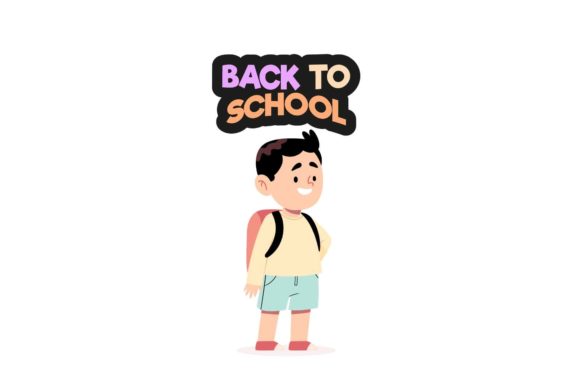
Back to School Element: Graphics and Illustrations for Creative Projects
As a designer working on seasonal campaigns, branding, and printable products, I often seek out high-quality graphic design assets that can elevate a project without requiring hours of custom illustration. The Back to School Element is one such asset that offers versatility and visual appeal for a range of creative design needs.
First Impressions: A Nostalgic and Playful Visual Mood
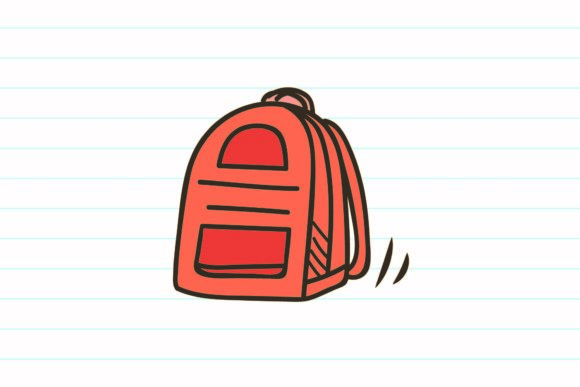
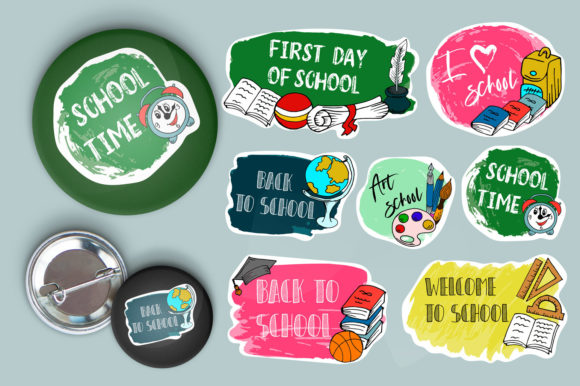
The Back to School Element immediately evokes a sense of nostalgia and playful energy. Its design features classic school-themed elements like books, pencils, backpacks, and chalkboards, all rendered in a clean, vector-based style. The color palette leans toward warm, inviting tones—perfect for a back-to-school campaign or a handmade brand looking to connect with families and students.
This illustration feels modern yet familiar, making it ideal for projects targeting parents, educators, and young audiences. It’s a strong choice for small business branding, especially for boutique product lines or local events with a community-focused angle.
Real-World Applications: From Brand Identity to Social Media Graphics
When considering how the Back to School Element performs in real design situations, its adaptability stands out. Whether used in logo design, packaging design, or social media graphics, this asset provides a cohesive visual language that can be easily integrated into a broader creative design strategy.
- Logo Design: The asset can serve as a base for a minimalist logo or as an accent element for more detailed branding.
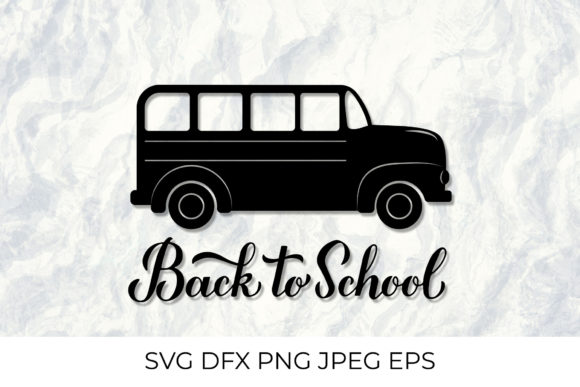
- Packaging Design: Its vector format makes it easy to scale for product labels, boxes, or tote bags, ensuring crisp details at any size.
- Social Media Graphics: With a canvas size of 1980 x 1280 px, it’s well-suited for Instagram posts, Pinterest pins, or Facebook banners.
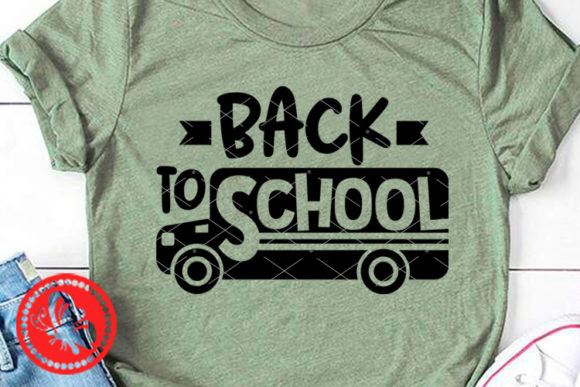
- Print-On-Demand: As a PNG or SVG design, it works seamlessly for t-shirt design, mugs, or stickers, offering flexibility for commercial design applications.
This asset also shines in editorial design, where it can add a decorative touch to blog visuals or magazine layouts. Its clarity and simplicity make it a great fit for Canva templates or Cricut projects, where users need a reliable, editable design element.
Best Use Cases: Where the Asset Excels
The Back to School Element thrives in large layout areas, where its detail and visual interest can truly shine. It’s excellent for hero graphics, product mockups, or themed collections that require a consistent aesthetic. For example, a small business selling school supplies or educational materials could use this asset to create a visually appealing marketing campaign or Etsy product listing.
It also works well as a supporting brand element, adding personality to website graphics or digital ads. Its transparency in PNG format allows it to blend effortlessly with various backgrounds, making it a valuable addition to a design bundle or a creative marketplace asset.
Caution Areas: When to Avoid or Modify the Design
While the Back to School Element is versatile, it may not be suitable for every project. In crowded layouts or complex backgrounds, it can become visually overwhelming. Minimalist branding or professional corporate materials may benefit from cleaner, more restrained design elements rather than this ornate illustration.
Additionally, when used in low-contrast designs or very small sizes, the details may get lost. It’s important to test the asset at different scales and on various backgrounds to ensure it maintains its impact across different mediums.
Design Considerations: What Every Designer Should Check
Before using the Back to School Element for a client project, there are several practical steps every designer should take:
- Test in Black and White: This helps assess how the design holds up without color, which is useful for print-on-demand or monochrome applications.
- Check Contrast: Ensure the design remains visible on both light and dark backgrounds, especially if it will be used in web design or digital ads.
- Preview at Small Sizes: Confirm that the details remain legible when scaled down for mobile screens or social media thumbnails.
- Place on Real Mockups: This helps visualize how the design will look in actual use, whether for a product mockup or a printed item.
- Review File Formats: Make sure the AI, EPS, SVG, JPG, and Transparent PNG versions meet your project’s technical requirements.
- Inspect PNG Transparency: If used for layered designs, ensure the transparent areas are clean and free of artifacts.
- Confirm Commercial License: Always verify that the asset comes with a valid commercial license, especially when working on an Etsy product or print-on-demand project.
Comparing the Back to School Element with different font styles—such as serif, sans serif, script, or display fonts—can also help determine how it integrates into a broader design system. Its visual weight and style may complement certain typefaces better than others, depending on the overall tone of the project.
Why Back to School Element Matters for Professional Design Work
For designers working on handmade businesses, small business branding, or seasonal campaigns, the Back to School Element offers a ready-to-use solution that can save time while maintaining quality. It’s a valuable addition to a design assets library, especially when paired with other illustrations or graphic design elements.
Its ability to enhance visual hierarchy, emotional appeal, and audience engagement makes it a smart choice for projects that rely on strong storytelling and relatable imagery. Whether used in a digital product, a printable design, or a sublimation design for merchandise, it adds a layer of professionalism and polish to the final output.
In the right context, the Back to School Element can transform a simple concept into a compelling visual narrative, helping clients stand out in a competitive creative marketplace.